Sodium Hydroxide Solution: What Every Factory Buyer Needs to Know
A practical guide for procurement managers, QA teams, and plant operators
If you work in procurement or quality assurance at a manufacturing facility, caustic soda solution is probably already part of your supply chain. But do you know why there are so many concentration grades available? What's the real difference between 32% and 50%? And what happens if you get the spec wrong?
This guide covers the essentials on one page — so you can find what you need fast.
What Is Sodium Hydroxide Solution?
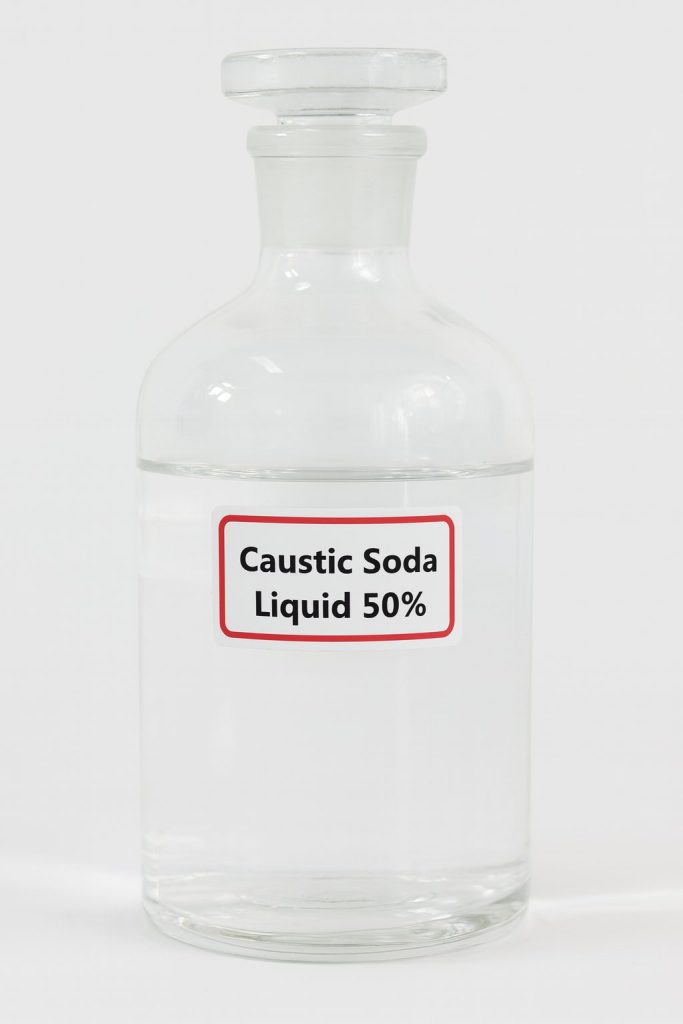
Sodium hydroxide solution (NaOH Solution), commonly known as caustic soda or liquid caustic, is solid sodium hydroxide dissolved in water. The result is a clear, strongly alkaline liquid that can be pumped directly through pipelines — no dissolving step required.
Along with soda ash (sodium carbonate), it is one of the two most important industrial alkalis in the world. Its ability to break down fats, cellulose, silicates, and metal oxides makes it indispensable across a wide range of industries.
Concentration Grades: Which One Do You Need?
Caustic soda solution comes in multiple concentrations. Choosing the right grade for your process matters — here's a quick reference:
| Concentration | Typical Applications | Notes |
|---|---|---|
| 30% | Food-grade water treatment, light industrial use | |
| 32% | Textile dyeing & finishing, general industrial cleaning | |
| 35% | Pulp & paper, chemical intermediate processes | |
| 40% | Alumina refining, specialty chemical processes | |
| 50% | Aluminium industry, paper mills, large-scale processes | Industry Standard |
Four Things to Know Before You Use It
Highly corrosive — PPE is non-negotiable
Direct contact causes chemical burns. All personnel handling liquid caustic must wear chemical-resistant gloves, goggles, and protective clothing. Emergency eyewash stations and spill protocols should be in place.
Pipeline-ready, no dissolving required
Unlike solid NaOH, liquid caustic can be pumped directly into your process. This makes it ideal for continuous production lines and reduces preparation time significantly.
Store sealed — it reacts with CO₂
Liquid caustic absorbs carbon dioxide from the air, forming sodium carbonate. This changes the concentration and affects process performance. Always store in sealed, corrosion-resistant tanks and verify concentration regularly.
Broad chemical reactivity
NaOH dissolves fats, cellulose, silicates, and metal oxides. This versatility is exactly why it's used across so many different industries and process types.
Industrial Applications: Where Does Liquid Caustic Fit In?
Aluminium Industry — Bayer Process Refining
This is the single largest application for liquid caustic globally. 50% NaOH is used throughout the alumina refining process:
Pulp & Paper
Liquid caustic is used in the kraft pulping process to cook wood chips, breaking down lignin and separating pure cellulose fibres. This directly determines paper strength, brightness, and uniformity. Inconsistent NaOH quality leads to batch variation — something paper mills can't afford.
Textile & Dyeing
Caustic soda solution is essential for mercerisation — a treatment that restructures cotton fibres to improve lustre, tensile strength, and dye absorption. It's a standard step in producing premium-quality fabric.
Detergent & Soap Manufacturing
NaOH reacts with fats and oils in a saponification reaction to produce soap. It's a core raw material for industrial soap bars, laundry detergents, and a wide range of cleaning products.
Industrial Wastewater Treatment
Liquid caustic neutralises acidic effluent, precipitates heavy metals, and removes suspended particles — helping factories meet environmental discharge regulations and protect downstream equipment.
Liquid Caustic vs. Solid NaOH: Which Should You Buy?
Both are sodium hydroxide — the difference is form factor and how they fit into your operation:
| Solid NaOH (Flakes / Pearls) | Liquid Caustic (Solution) | |
|---|---|---|
| Form | White solid flakes or pearls | Clear liquid (30–50% concentration) |
| Purity | Higher (98%+) | Concentration-dependent |
| Storage & transport | Suitable for long-term storage and long-haul shipping | Requires corrosion-resistant tanks; better for regional delivery |
| Ease of use | Must be dissolved before use | Pump directly into process — no prep needed |
| Best for | Processes requiring precise concentration control | Large-scale continuous production lines |
Why Your Supplier Choice Matters More Than Price
Many procurement teams focus on unit price — but for a material as process-critical as liquid caustic, three other factors tend to have a bigger impact on total cost:
Concentration consistency
A concentration variance means adjusting process parameters, increasing labour and material waste — costs that quickly outweigh any savings on the purchase price
Supply reliability
One supply disruption can halt a continuous production line. The resulting downtime often costs far more than the margin saved by choosing a cheaper supplier
Local logistics capability
A supplier with regional distribution in Southeast Asia means shorter lead times, lower import risk, and faster response when you need urgent stock
Looking for a Reliable Caustic Soda Supplier in Southeast Asia?
Whether you need to confirm specifications, request a quote, or discuss long-term supply arrangements, our team is ready to help. We typically respond within one business day.