In the high-temperature environment of aluminum ingot and aluminum billet production, effectively removing impurities while extending equipment lifespan remains a core challenge for plant managers and procurement managers alike.
As a high-performance alkaline flux and refractory material, industrial-grade Magnesium Oxide (MgO) plays an indispensable role in optimizing process quality and reducing operational costs.
Why Should Aluminum Smelters Reassess Their MgO Selection?
Many facilities, when facing issues such as surface defects, unstable yield rates, or rapid refractory wear, default to adjusting operational parameters — overlooking the critical impact of raw material specifications.
The purity grade and particle size distribution of magnesium oxide directly determine its reaction efficiency in the melt pool. Selecting the wrong grade means no amount of increased dosage will resolve the root problem.
Three Core Applications of MgO in Aluminum Smelting
Melt Purification
Acts as a key fluxing agent, reacting with non-metallic impurities in molten aluminum to form low-density slag for easy removal. Recommended purity: 85% or 90% for optimal balance of performance and cost.
Refractory Lining Protection
MgO-based refractory materials form a stable protective layer against acidic slag attack, significantly reducing unplanned downtime. High-load furnaces should use 95% high-purity grade with a melting point of 2,852°C.
Magnesium Loss Prevention
In 5xxx series high-magnesium alloys, precise MgO dosing maintains melt pool chemical equilibrium, reducing oxidation loss of costly magnesium metal and lowering raw material replenishment frequency.
1. Melt Purification: The First Line of Defense for Aluminum Ingot Quality
Sulfur, phosphorus, and non-metallic inclusions are the primary causes of degraded mechanical properties and poor surface quality in aluminum billets. As a key component of fluxing agents, MgO reacts effectively with non-metallic impurities in molten aluminum, forming low-density slag that floats to the surface for easy removal — reducing hydrogen content and inclusion index in the final ingot.
Grade recommendation: For aluminum ingot refining, purity grades of 85% or 90% are generally recommended, offering the optimal balance between purification efficiency and material cost.
2. Refractory Lining Protection: Extend Furnace Life and Cut Maintenance Costs
Reverberatory furnaces and other high-temperature aluminum smelting equipment are continuously exposed to acidic slag attack and thermal cycling stress. Furnace lining erosion is the leading cause of unplanned downtime. High-purity MgO (90% / 95%) offers exceptional thermal stability and alkali-slag resistance — with a melting point of 2,852°C — significantly extending refractory brick service life.
Grade recommendation: For furnace lining applications, 95% high-purity grade is recommended for its superior chemical stability and resistance to slag penetration under sustained high-temperature conditions.
3. Magnesium Loss Prevention: Protect Costly Alloying Elements
In the production of high-magnesium aluminum alloys such as 5052 and 5083 series, surface oxidation of magnesium in the melt pool readily forms MgO inclusions. By precisely dosing industrial-grade MgO, producers can maintain the chemical equilibrium of the melt, indirectly reducing the frequency of magnesium metal replenishment and lowering raw material costs.
Addressing Three Key Procurement Pain Points
Surface defects and excess inclusions causing customer returns
Typically caused by incomplete slag removal or elevated oxide inclusions (Al₂O₃).
Solution: Use 85% or 90% purity MgO as a fluxing agent, combined with optimized stirring and skimming procedures, to effectively reduce hydrogen content and inclusion index.
Rapid refractory wear and high maintenance downtime costs
Lower-purity refractory materials erode quickly under high-temperature acidic conditions.
Solution: Upgrade to 95% high-purity MgO refractory material. With a melting point of 2,852°C and a dense microstructure, it significantly improves slag erosion resistance and reduces per-ton maintenance costs.
Unstable process reactions causing batch-to-batch yield variation
Inconsistent raw material purity leads to variable reaction rates in the melt pool.
Solution: We supply five consistent purity grades — 65% / 80% / 85% / 90% / 95% — with stable batch specifications to eliminate yield fluctuation across production runs.
Grade Selection Guide
| Specification | Details |
|---|---|
| CAS No. | 1309-48-4 |
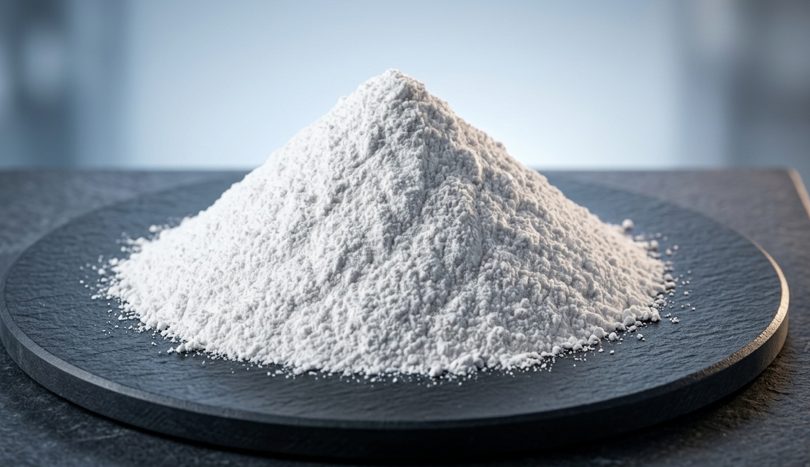
| Physical Appearance | Off-white to pale yellowish-white powder |
| Melting Point | 2,852°C |
| MgO Purity Grades | 65% 80% 85% 90% 95% |
| Packaging | 25 kg, 50 kg, 1,000 kg jumbo bags; custom packaging available |
| Primary Applications | Refractory manufacturing, rubber & plastic reinforcement, industrial desulfurization, wastewater treatment, nickel-cobalt hydrometallurgy neutralization, heavy metal precipitation |
| Safety | Dust irritant; wear N95 respirator and safety goggles; store in a dry, well-ventilated area |
* Specifications above are standard reference values. Actual supply specifications subject to purchase agreement.
| Purity Grade | Recommended Applications | Key Characteristics |
|---|---|---|
| 65% | Industrial desulfurization, wastewater treatment | Most cost-effective; suitable for high-volume, lower-purity applications |
| 80% | Rubber & plastic reinforcement, basic fluxing | High cost-performance ratio; broad compatibility |
| 85% | Aluminum ingot refining, general refractory use | Best balance of purification and cost — most widely selected Recommended |
| 90% | High-quality aluminum ingot production, demanding refractory applications | Stable reaction rates; ideal for continuous production lines |
| 95% | Precision alloys, high-load furnace linings | Maximum thermal stability; suited for precision alloys and long-life furnace requirements |
Our Value Proposition
Five purity grades, one supplier:
From general industrial desulfurization to precision alloy smelting, our 65%–95% range covers every stage of your process — eliminating the complexity of managing multiple suppliers.
Flexible packaging for streamlined logistics:
Standard options of 25 kg, 50 kg, and 1,000 kg jumbo bags, with custom packaging available to suit your storage and handling requirements.
Sample trial program:
We provide samples for in-furnace pilot testing, so you can verify results before committing to bulk orders.
FAQ
Q1: Why are there black spots or dark streaks appearing on my aluminum billets?
This is typically caused by incomplete slag removal or elevated oxide inclusions (Al₂O₃). We recommend increasing the MgO flux ratio and optimizing skimming timing and stirring procedures. If the issue continues, also inspect furnace sealing integrity and the degassing step.
Q2: Is higher MgO purity always better?
Not necessarily. Grades of 85% or 90% are sufficient for most aluminum ingot refining applications and offer more consistent batch stability. The 95% high-purity grade is better suited for precision alloy production or high-load furnace lining requirements. We recommend selecting by alloy specification and furnace conditions rather than defaulting to the highest purity.
Q3: Does MgO produce harmful gases at high temperatures?
MgO is chemically stable and does not decompose to produce toxic gases at elevated temperatures. The primary occupational health concern is inhalable dust — operators must wear N95 respirators and safety goggles per SDS guidelines, and ensure adequate ventilation in the work area.
Q4: What other industrial applications does MgO serve beyond aluminum smelting?
Our product serves a wide range of industries including refractory manufacturing, rubber and plastic reinforcement, industrial desulfurization, wastewater purification, and nickel-cobalt hydrometallurgical processing for wastewater neutralization and heavy metal precipitation. Please contact us to discuss the appropriate grade for your specific application.
Get Your Technical Solution Today
Experiencing yield bottlenecks in your current process, or evaluating a new MgO supplier? — we’ll recommend the optimal purity grade and arrange a sample trial with engineering support.
- Website: https://maeda-enterprises-thailand.com/
- Phone: +66-(0)96-636-4237
- Email: info@maeda-enterprises.co.th
- Services: Sample supply | Process consulting | Purchase inquiry