Magnesium Chloride
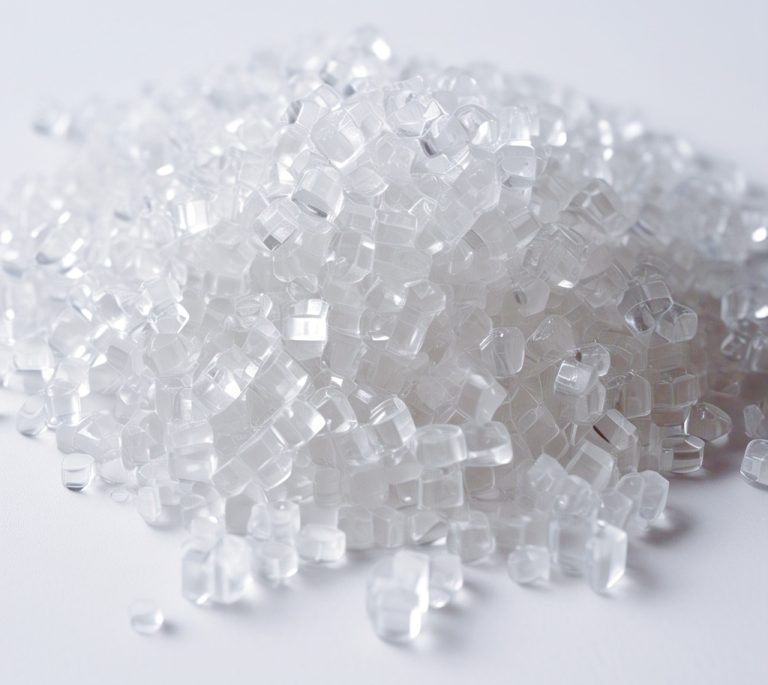
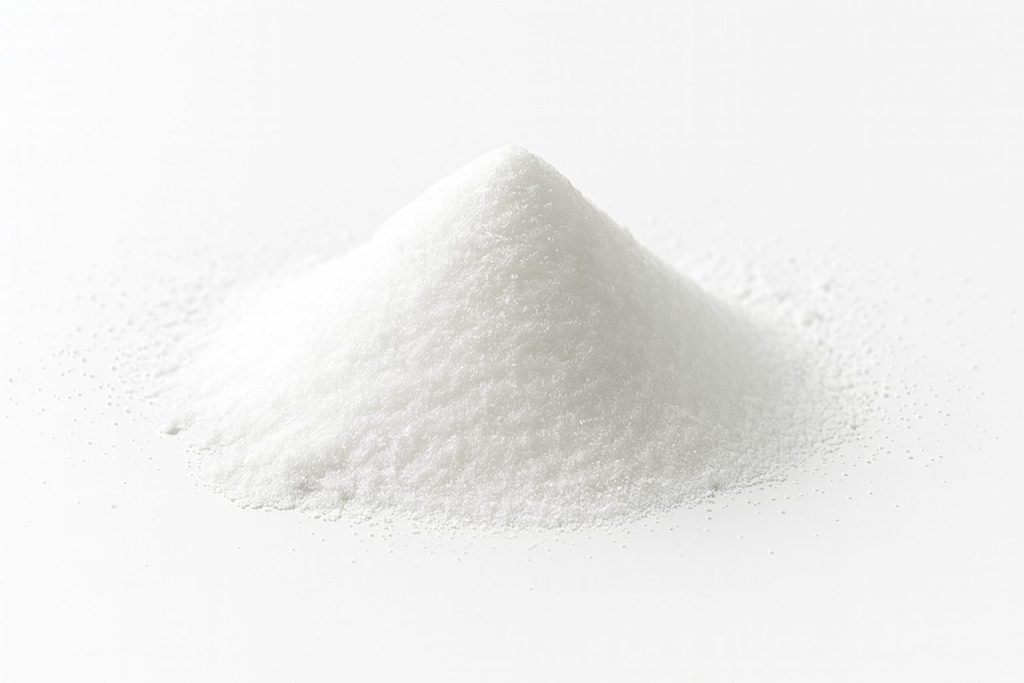
An inorganic compound with the chemical formula MgCl₂. Colorless flake crystals that are highly hygroscopic. Soluble in water, ethanol, methanol, and pyridine; slightly soluble in acetone. Available in anhydrous and hexahydrate forms, widely used in aluminum smelting, road de-icing, and construction materials.
Basic Chemical Information
Applications in Aluminum Smelting & Alloy Production
In secondary aluminum alloy facilities, magnesium chloride serves as a flux and refining agent, typically used in combination with sodium chloride (NaCl) and potassium chloride (KCl) across three key process stages:
-
1
Melting
Added to the furnace as a flux in combination with NaCl and KCl. Effectively lowers the melting point of the aluminum melt, reduces surface oxidation, stabilizes the molten state, and improves melting efficiency.
-
2
Refining & Degassing
Post-melting aluminum melt typically contains dissolved hydrogen and oxide inclusions. MgCl₂-based refining agents assist in degassing and slag removal, promoting oxide flotation, reducing porosity defects in castings, and ensuring a clean melt.
-
3
Pre-Alloying Treatment
Before adding alloying elements such as Mg, Mn, Zn, and Cu, the refining action of MgCl₂ ensures a clean base metal, promotes uniform distribution of alloying elements, and prevents impurities from degrading final alloy performance.
Typical Flux Combination
Recommended Dosage Range
Actual ratios are adjusted based on melt purity, alloy specifications, and plant process requirements.
Other Important Industrial Applications
Everyday Applications
Food Processing (Tofu Coagulation)
- The key component of traditional Japanese nigari (bittern) used to set tofu
- Produces a smooth, tender texture; classified as GRAS (Generally Recognized as Safe)
Health & Topical Use
- A source ingredient in magnesium supplement capsules
- Used in topical bath salts for muscle relaxation and skin care
Aquariums & Swimming Pools
- Replenishes magnesium ions in reef aquariums to support coral health
- Balances mineral content in pool water for stable water quality
Residential De-icing
- Used on driveways and parking lots during winter
- Lower corrosivity than rock salt; considered more pet-friendly
Packaging & Logistics
Storage: Keep in a dry location, away from moisture and heat. Avoid direct sunlight.
Logistics & Delivery: Factory-direct delivery available across Asia. Contact us for shipping arrangements and freight quotations.
Hazard Classification & Safety Information
Dust or mist inhalation may irritate the respiratory tract; prolonged occupational exposure requires monitoring
May cause mild irritation on direct contact; if eye contact occurs, flush immediately with clean water
Decomposes to release HCl (hydrogen chloride) gas when heated or in contact with strong acids; ensure adequate ventilation
If bags are torn and dust is released, avoid dry sweeping; collect using wet methods to prevent airborne dust
- Wear a dust mask rated N95 or equivalent during handling
- Use chemical-resistant gloves (nitrile rubber recommended)
- Wear safety goggles to prevent dust or liquid splashing into eyes
- Ensure good ventilation in the work area; avoid high-concentration exposure in enclosed spaces
- Do not store together with strong acids or strong oxidizers
- Wash hands thoroughly with water after handling; avoid ingestion
Frequently Asked Questions (FAQ)
Looking for a reliable magnesium chloride supply or logistics quote?
We support inquiries in English, Japanese, Thai, and Chinese.