Basalt Fiber
High-Performance Mineral Reinforcement
A high-performance industrial fiber derived from natural basalt rock — heat-resistant to 700°C, cold-resistant to -260°C, fully eco-friendly and recyclable. Widely used in construction reinforcement, FRP composites, and road engineering.
What is Basalt Fiber?
Basalt Fiber is an inorganic mineral fiber produced by melting natural basalt rock at high temperatures, then extruding and drawing it through nozzles into continuous filaments. The primary raw material is sourced from mountain regions in China and Russia, processed into finished fiber, and exported to industrial markets in Japan, Southeast Asia, and beyond.
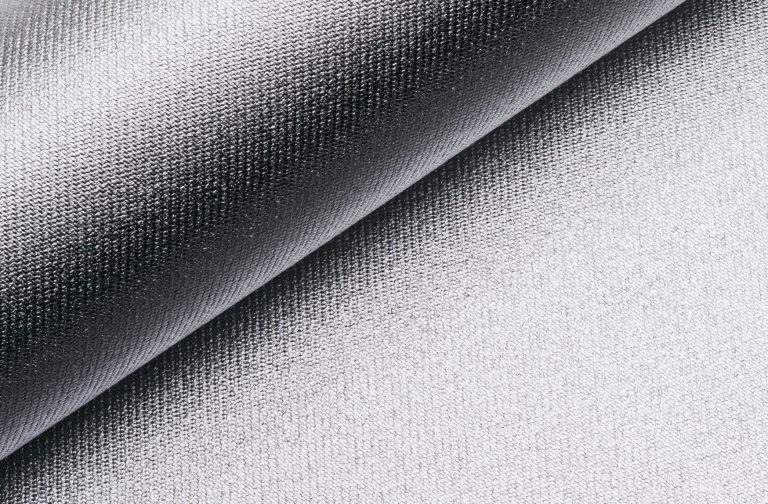
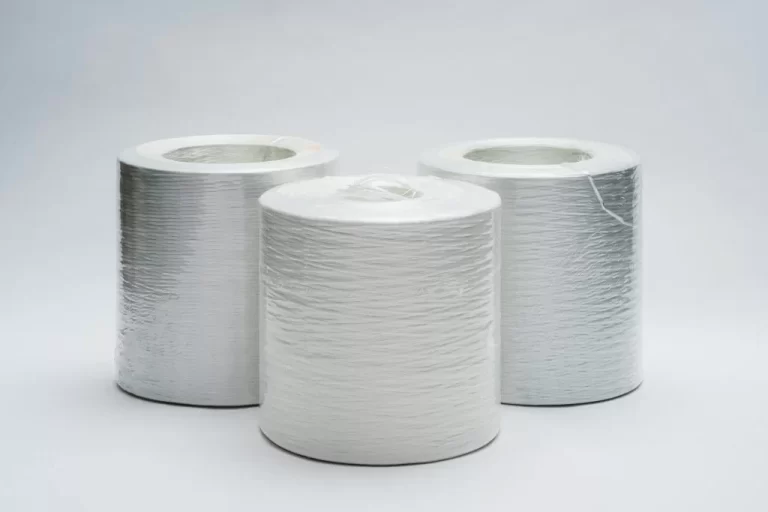
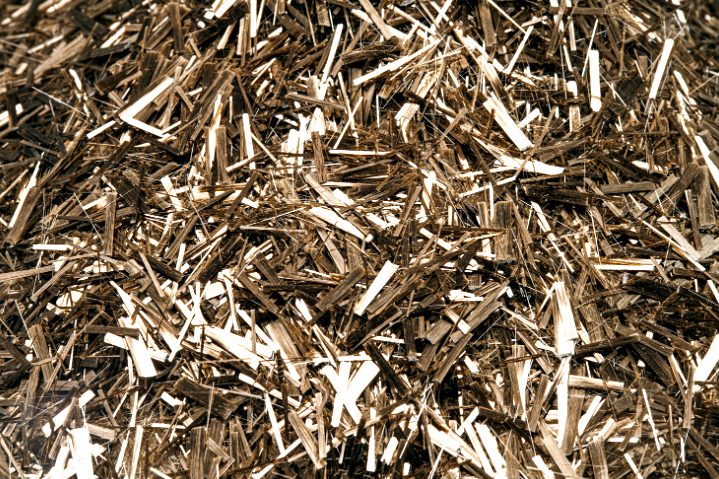
Basalt fiber is available in multiple product forms, including Chopped Strand, Roving, Mat, and Mesh — closely mirroring the product range of glass fiber. However, basalt fiber offers significant advantages in heat resistance, cold resistance, and environmental sustainability.
As global industries align with the UN's SDGs (Sustainable Development Goals), basalt fiber is gaining broad attention across construction, road engineering, and FRP composites as a material that combines high performance with recyclability.
How Basalt Fiber is Made
From natural rock to finished fiber, basalt fiber undergoes six core manufacturing stages — all purely physical transformations with no chemical binders required.
Basalt Fiber vs. Glass Fiber (E-Glass)
A side-by-side comparison of the two most widely used industrial fibers, provided as a reference for procurement evaluation.
| Performance Attribute | Basalt Fiber | Glass Fiber (E-Glass) | Notes |
|---|---|---|---|
| Max Heat Resistance | 700°C Advantage | 450°C | Basalt offers ~56% higher heat tolerance |
| Min Cold Resistance | -260°C Advantage | -60°C | Suitable for liquid nitrogen and cryogenic environments |
| Alkali Resistance | High Advantage | Moderate | Ideal for concrete and mortar reinforcement |
| Weatherability | Excellent Advantage | Good | Resistant to acid rain and UV degradation |
| Recyclability | Reverts to sand Eco-Friendly | Industrial waste disposal | Returns to nature after combustion |
| Raw Material Source | Natural basalt (mineral) | Silica sand and synthetic inputs | — |
| Product Forms | Chopped strand, roving, mat, mesh | Chopped strand, roving, mat, mesh | Highly compatible — direct substitution possible in most applications |
Basalt Fiber in Everyday Life
The unique properties of basalt fiber open up a range of civil and consumer applications — from household insulation to infrastructure and environmental construction.
Building Insulation
Basalt fiber blankets and fill batting are used in residential walls and roofing for thermal insulation. Non-combustible and heat-resistant, they offer excellent fire safety performance.
Community Road Repair
Mixed into asphalt or concrete to suppress temperature-related cracking, extending the service life of community roads, driveways, and parking surfaces.
Drainage Channel Reinforcement
Basalt chopped strands added to mortar enhance resistance to acid rain and alkaline wastewater in drainage systems, reducing corrosion-related maintenance frequency.
Swimming Pools & Water Treatment
Used as a high-performance alternative to glass fiber in FRP (fiber-reinforced plastic) for manufacturing chemically resistant tanks, pipes, and water storage equipment.
Outdoor Weather-Resistant Equipment
Applied in outdoor equipment shells and protective panels that must withstand extreme temperature swings — performing reliably in agriculture and outdoor use in harsh climates.
Eco-Friendly Building Material
After disposal, basalt fiber reverts to sand and returns to nature — a significant improvement over glass fiber's industrial waste stream, better aligned with modern environmental regulations.
Industrial Application Areas
Basalt fiber demonstrates competitive advantages over conventional fibers in demanding industrial environments. The following are its primary industrial application sectors.
Road & Bridge Engineering
Added to concrete or asphalt as a reinforcing fiber to significantly reduce temperature-induced cracking. Heat resistance suits tropical climates; cold resistance extends pavement life in freezing regions.
Primary Application ★★★★★Structural Construction Reinforcement
Used as a supplement or replacement for steel rebar, mixed into mortar or foundation concrete to improve alkali resistance and durability — ideal for foundations exposed to soil or groundwater.
High-Demand Application ★★★★FRP Composite Manufacturing
A high-performance drop-in replacement for glass fiber in FRP pipes, vessels, and housings — delivering a higher thermal ceiling and superior corrosion resistance for chemical, marine, and aerospace environments.
High-Growth Market ★★★★Liquid Nitrogen & Cryogenic Insulation
Cold tolerance down to -260°C makes basalt fiber ideal for insulating liquid nitrogen storage tanks and ultra-low-temperature transfer lines in petrochemical and semiconductor processes.
Niche High-Value Application ★★★Environmental Engineering & SDGs Compliance
A sustainable procurement alternative that helps meet SDG targets. After disposal, it reverts to sand — reducing waste handling costs and improving a company's environmental performance ratings.
SDGs Trend Application ★★★Industrial Anti-Corrosion Facilities
High alkali resistance makes basalt fiber well-suited for reinforcing structures in wastewater treatment plants and chemical facilities — resisting acidic effluent and acid rain to extend facility service life.
Steady-Demand Application ★★★Important Notes Before Procurement & Use
Although basalt fiber is a natural mineral material, the following safety and handling guidelines should be observed during processing and use.
Personal Protective Equipment
When processing, cutting, or mixing, wear a dust mask (N95 or higher) and safety goggles to prevent inhalation of fine fibers or eye contact.
Skin Protection
Direct contact with basalt fiber may cause temporary skin irritation. Wear gloves and long-sleeved work clothing during handling.
Sizing Agent Compatibility
Different applications require different sizing agent formulations (e.g., epoxy-compatible, PP-compatible). Confirm downstream process requirements before ordering.
Storage Conditions
Store in a dry, well-ventilated area. Avoid prolonged exposure to moisture or high-humidity environments, which can degrade the sizing agent and affect downstream processing.
Application Specification Confirmation
Different applications (FRP, concrete reinforcement, insulation) have distinct requirements for fiber length, diameter, and sizing type. Confirm specifications with your supplier before purchasing.
Ongoing R&D Material
Basalt fiber is still an actively developing material. We recommend requesting the latest technical datasheets and third-party test reports before procurement.
How Basalt Fiber Addresses Your Procurement Pain Points
We understand the real-world challenges faced by procurement managers and quality engineers when selecting materials. Here are common problems and how basalt fiber solves them.
Material Failure in High-Temperature Environments
Existing fiber materials degrade and become brittle in process environments exceeding 450°C, causing product failure or frequent replacement.
Basalt fiber withstands up to 700°C, maintaining stable performance through high-temperature processes and reducing replacement costs.
Cryogenic Insulation Demands
Insulation materials for liquid nitrogen lines and cryogenic tanks lose elasticity below -60°C, leading to seal failures or reduced cold-retention efficiency.
Basalt fiber remains stable down to -260°C, reliably maintaining material performance in extreme low-temperature industrial applications.
Corrosion in Alkaline Environments
The strongly alkaline conditions found in concrete, mortar, and wastewater environments cause conventional fiber reinforcements to degrade rapidly, compromising structural integrity.
Basalt fiber's alkali resistance far exceeds that of standard glass fiber, allowing it to remain stably embedded in alkaline matrices and maintain long-term reinforcement effectiveness.
Weathering Degradation of Roads & Outdoor Structures
Acid rain, UV exposure, and large temperature swings accelerate deterioration of road surfaces and outdoor structures, driving up maintenance frequency and cost.
Basalt fiber's superior weatherability and acid rain resistance significantly extend the service life of roads and structural elements.
Waste Disposal & Environmental Compliance Pressure
Glass fiber waste is classified as industrial waste — costly to dispose of, and damaging to incinerators at high temperatures, making ESG compliance difficult.
After combustion, basalt fiber reverts to sand and can return to nature — dramatically reducing waste handling costs and improving a company's environmental score.
Difficulty Switching from Glass Fiber
Existing production lines are configured for glass fiber, and switching to basalt fiber raises concerns about costly process equipment or formulation changes.
Basalt fiber product forms (chopped strand, roving, mat, mesh) closely mirror those of glass fiber. In most applications, it can be substituted directly with minimal changeover cost.
Basalt Fiber Procurement FAQ
A summary of the most common questions from procurement managers and technical staff, provided for evaluation purposes.
Enquire About Basalt Fiber Procurement
Maeda Enterprises offers a complete basalt fiber product line with service in English, Chinese, Japanese, Thai, and Cantonese — supporting your supply chain integration needs across Southeast Asia, Japan, and China.
📩 Send an Enquiry EmailEN · ZH · JA · TH · Cantonese
Thailand · Japan · China
Spec Confirmation · Sample Requests