High-Strength Ceramic Foam Filter for Casting Applications
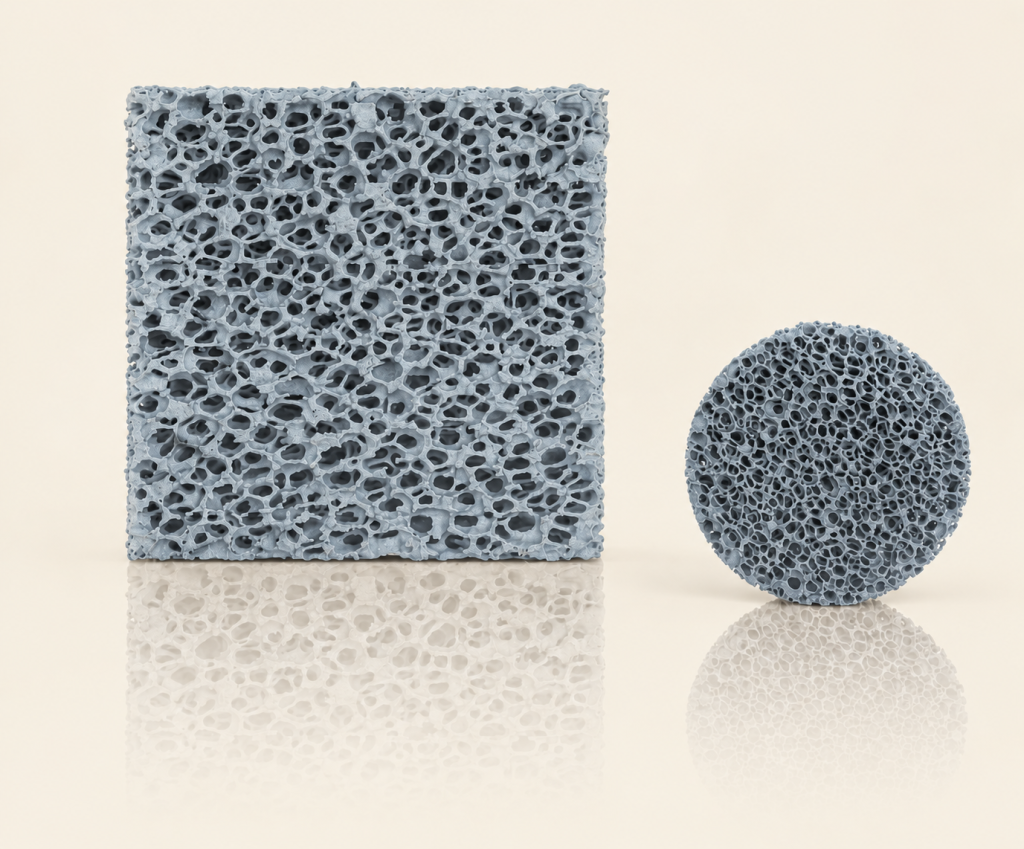
Used to filter molten metal in ductile iron, grey iron, and nonferrous alloy casting. The interconnected pore structure traps inclusions and oxides, and withstands the temperature swings during pouring.
A filtration core for better casting quality
Suitable for filtering molten metal in ductile iron, grey iron, and nonferrous alloy casting. Helps reduce turbulence at the pouring gate, and offers strong thermal shock resistance and high-temperature strength for demanding casting conditions. Works reliably across thin precision parts and large structural castings.
- Purifies molten metal and reduces internal defects
- Improves overall casting quality and appearance
- Reduces oxide inclusions in castings
- Stabilizes mold filling time
Production Process
Made using the polyurethane foam impregnation method. Six production stages keep pore structure and mechanical strength consistent in every filter.
Material Mixing
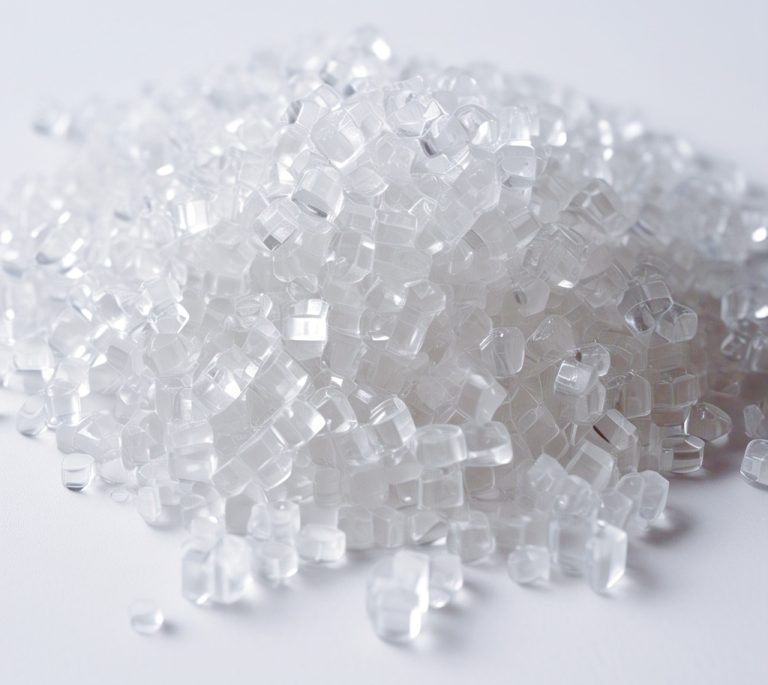
High-purity silicon carbide powder combined with binders and sintering aids.
Foam Impregnation
Sponge is soaked in ceramic slurry, coating the three-dimensional skeleton evenly.
Trimming & Drying
Excess slurry is removed to form a uniform pore structure, then dried.
High-Temp Sintering
Sintered at high temperature; the foam skeleton burns away and particles bond together.
Inspection & Grading
Pore density, porosity, strength, and thermal shock resistance are fully tested.
Packaging & Shipping
Packaged to customer specifications; custom sizes available.
Technical Specifications
Strength and thermal shock resistance are what set this filter apart from general filter materials — they determine whether it can withstand impact on the casting floor without breaking.
| Property | Value |
|---|---|
| Pore Density | 10 ~ 40 PPi |
| Porosity | 80 ~ 90% |
| Operating Temperature | ≤ 1500°C |
| Bending Strength (RT) | ≥ 0.8 MPa |
| Compression Strength (RT) | ≥ 0.9 MPa |
| Thermal Shock Resistance (1100°C) | 6 times |
| Applicable Alloys | Ductile iron, grey iron, nonferrous alloys |
Custom specifications available on request.
Applications: Industrial and Everyday Use
Suitable for filtering molten metal in ductile iron, grey iron, and nonferrous alloy casting. Purified metal produces denser castings with fewer defects, used across industrial equipment and everyday products.
Ductile Iron Castings
Pipe fittings, automotive parts, and wind turbine flanges that require high internal cleanliness.
Grey Iron Castings
Machine tool beds, engine blocks, and other large castings requiring molten metal filtration.
Nonferrous Alloy Castings
Copper and aluminum alloy filtration for improved internal cleanliness.
Household Hardware & Cookware
Cast iron cookware, radiators, and faucet bodies with smoother surfaces and fewer pores.
Automotive Components
Brake discs, cylinder blocks, and other cast parts where quality affects driving safety.
Architectural Hardware
Manhole covers, railings, and decorative castings with finer finish and fewer sand holes.
Usage Notes
Confirm size and pore density before installation
Select the appropriate pore density (10~40 PPi) and dimensions based on casting weight, pouring speed, and alloy type to avoid excessive resistance or insufficient filtration.
Preheat to avoid thermal shock cracking
Preheating before installation reduces the temperature differential when the filter first contacts molten metal, extending service life.
Install correctly in the gating system
Ensure a tight fit at the pouring gate to prevent metal from bypassing the filter, which is necessary for stable mold filling and purification.
Avoid moisture and long-term storage
Store in a dry environment to prevent moisture from affecting strength; manage inventory on a first-in, first-out basis.
How We Address Common Issues
A filter that supports your casting line
Share your casting specifications and pouring process, and we will help determine the right pore density and dimensions. Custom specifications are available on request.
Contact Us