Industrial Materials
LFTP — Long Fiber Thermoplastics
Long Fiber Reinforced Thermoplastic Pellets | LFT-P | Glass Fiber
The next-generation composite material combining metal-level strength with plastic lightweight advantages. LFTP (Long Fiber Thermoplastics) uses glass fiber as reinforcement, replacing traditional metal components in automotive, aerospace, and agricultural machinery — achieving weight reduction, cost savings, and superior impact resistance simultaneously.
Material Definition
What Is LFTP (Long Fiber Thermoplastics)?
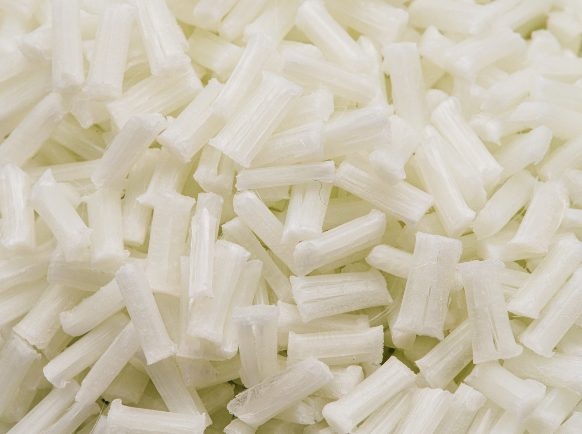
LFTP (Long Fiber Thermoplastics) is a high-performance composite material in which continuous reinforcing fibers — equal in length to the pellet itself — are embedded within a thermoplastic resin matrix. Also known as Long Fiber Reinforced Thermoplastic Pellets or LFT-P, it delivers significantly higher impact resistance, stiffness, and dimensional stability compared to conventional short fiber reinforced plastics.
Unlike short fiber reinforced plastics (fiber length <1mm), the fibers in LFTP run the entire length of each pellet, forming a three-dimensional reinforcement network after molding that dramatically improves impact resistance, stiffness, and warpage resistance.
Common base resins include PP (Polypropylene), PA6 (Nylon 6), and PA66 (Nylon 66), as well as engineering plastic grades. Glass fiber is the most common reinforcement for automotive applications, while carbon fiber is used in aerospace and high-strength applications. Glass fiber content ranges from 20% to 50% by grade, with specialty grades reaching up to 70%.
Manufacturing Process
How Is LFTP Long Fiber Thermoplastics Manufactured?
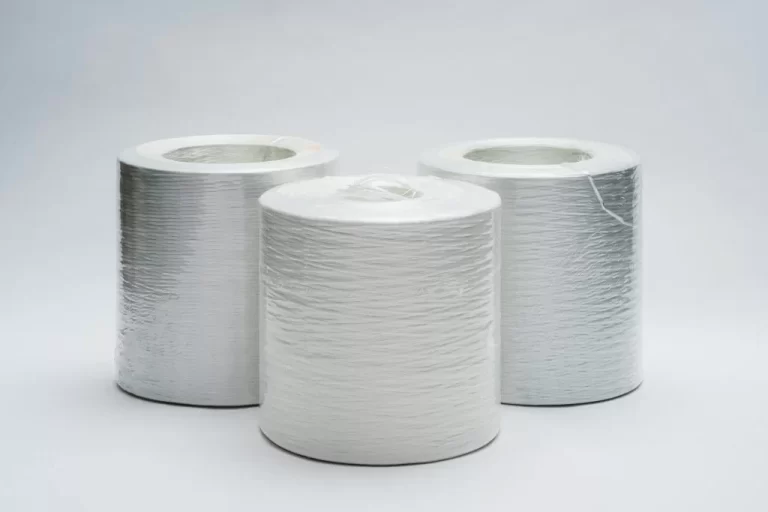
LFTP is produced via a pultrusion / melt impregnation process, in which continuous fiber bundles are fully impregnated with molten resin before being cut into pellets. This process is the fundamental difference between LFTP and conventional short fiber reinforced materials — and the reason why fiber length is preserved throughout the pellet.
▲ LFTP manufacturing flow: Resin + Glass Fiber → Extruder (melt) → Resin Pool (heated impregnation) → Water Pool (cooling) → Pellet Cutting → Dry & Pack
Five Key Manufacturing Steps
- ① Resin Melting: Thermoplastic resin (PP / PA) is melted in the extruder and prepared for the impregnation stage.
- ② Melt Impregnation in Resin Pool: Continuous glass fiber or carbon fiber rovings and molten resin are combined under heat in the impregnation pool, fully wetting each individual filament.
- ③ Water Cooling & Solidification: The impregnated composite strand passes through a water pool for rapid solidification and shape setting.
- ④ Precision Pellet Cutting: The strand is cut to a set length, ensuring fiber length equals pellet length — the defining characteristic of LFTP Long Fiber Thermoplastics.
- ⑤ Drying & Packaging: Pellets are dried to the required moisture level and moisture-sealed for shipment as finished LFTP Long Fiber Thermoplastics.
Short Fiber vs. Long Fiber Pellet Comparison
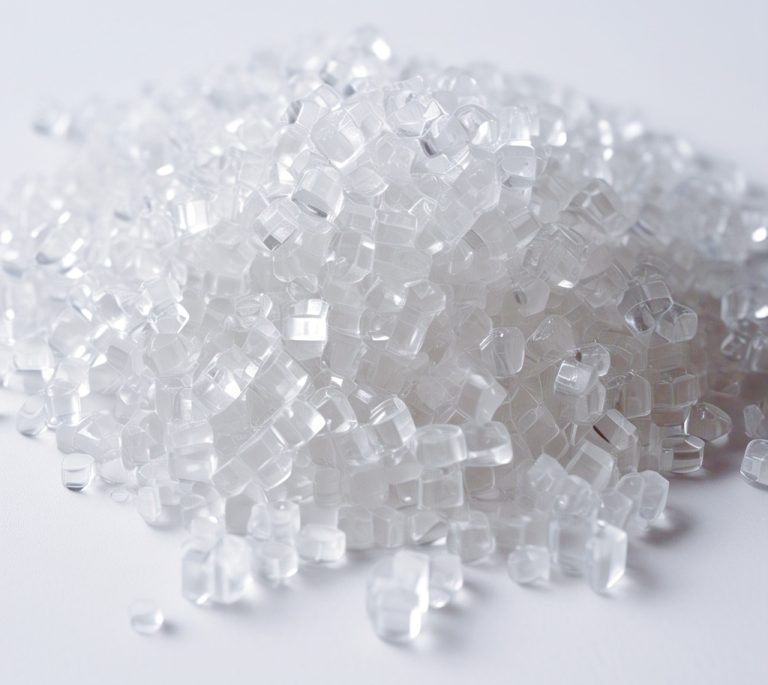
▲ Short Fiber (SFT) vs. LFTP Long Fiber Thermoplastics — pellet size and glass fiber dimension comparison. Fiber length in molded parts depends on processing conditions.
| Property | Unfilled Resin | Short Fiber (SFT) | LFTP Long Fiber |
|---|---|---|---|
| Fiber length in pellet | — | < 1 mm | 10–25 mm |
| Impact strength | Low | Medium | High – Very High |
| Stiffness (flexural modulus) | Low | Medium | High |
| Warpage resistance | Poor | Moderate | Excellent |
| Surface appearance | Standard | Standard | Superior |
| Material cost | Low | Medium | Medium-High |
Everyday Applications
LFTP Long Fiber Thermoplastics in Everyday Life
Components made from LFTP Long Fiber Thermoplastics are already part of daily life. Their lightweight, high-strength, and impact-resistant properties make them ideal for consumer products and transportation.

Automotive Cargo Deck Board
LFTP deck boards replace steel panels in SUV cargo areas, delivering over 40% weight reduction at equivalent load capacity. Widely adopted by Japanese, Korean, European, and American automotive OEMs in mass-production models.
Commercial Furniture Frames
Office chair bases, conference chair frames, and structural components requiring sustained load-bearing and high impact resistance. LFTP delivers superior toughness and surface quality versus standard glass fiber materials.
Premium Luggage Frames
Inner skeleton frames of high-end luggage use LFTP to withstand dragging, dropping, and rolling impacts while keeping weight minimal — enhancing product durability and brand quality.
Electric Motorcycle Parts
Battery covers, front fenders, and lightweight structural parts for electric motorcycles. LFTP replaces metal to significantly reduce weight and extend range per charge.
Construction Tools & Equipment
Power tool housings, safety helmet liners, and construction mold panels requiring high impact strength. LFTP provides metal-grade strength with the processing flexibility of plastics.
High-Performance Sports Equipment
Ski boot buckles, bicycle components, and racket frames requiring high stiffness and low weight. LFTP Long Fiber Thermoplastics has become the material of choice for premium sporting goods.
Industrial Applications
Key Industrial Applications of LFTP Long Fiber Thermoplastics
LFTP Long Fiber Thermoplastics excels in industrial applications demanding high strength, lightweight design, and long-term durability — rapidly replacing traditional metals and short fiber composites across multiple sectors.
Automotive OEM Manufacturing
Instrument panel carriers, door panel substrates, front-end modules, cargo deck boards, and underbody shields. PP-GF30 to GF50 grades are standard, targeting 30–50% weight reduction while meeting NCAP crash safety standards. Major Japanese, Korean, European, and American OEMs have adopted LFTP Long Fiber Thermoplastics in mass production.
Aerospace & Defense
Cabin interior panels, seat backs, and overhead storage compartments. Carbon fiber reinforced LFTP (CF-LFTP) achieves 20–40% weight savings over aluminum alloys while maintaining structural integrity and excellent flame retardancy.
Agricultural Machinery
Tractor hoods, agricultural equipment covers, and agricultural drone structural components requiring impact resistance and outdoor weatherability. LFTP resists mud, fertilizer chemicals, and the vibration and shock loads of farm operations.
Electrical & Electronic Equipment
Large appliance bases, industrial control enclosures, and EV charging station housings requiring stiffness and electrical insulation. PA-based LFTP Long Fiber Thermoplastics offers excellent electrical insulation and heat resistance for environments above 85°C.
Industrial Material Handling
Industrial pallets, bin frames, and large containers replacing wood and steel pallets. LFTP pallets support 1–5 ton dynamic loads at one-fifth the weight of steel, with corrosion resistance and washability for repeated industrial use.
Processing Guidelines
Important Processing & Handling Guidelines for LFTP Long Fiber Thermoplastics
While LFTP Long Fiber Thermoplastics is processed via injection molding, its unique long-fiber structure requires different processing conditions from standard short fiber reinforced materials. Please observe the following guidelines carefully.
Thorough Drying — Prevent Moisture Absorption
PA-based LFTP must be dried at 80–90°C for 4–8 hours to achieve moisture content below 0.2%. Moisture causes silver streaks, voids, and reduced mechanical strength in molded parts.
Correct Barrel Temperature Settings
Excessive barrel temperature causes resin degradation and fiber damage; insufficient temperature leads to poor impregnation. Always follow the manufacturer's recommended temperature profile for each LFTP grade.
Reduce Injection Speed to Protect Fibers
High injection speeds and shear rates break long fibers, eliminating the performance advantage of LFTP. Use low injection speeds or multi-stage speed profiles to minimize fiber breakage near the gate.
Screw & Mold Design Considerations
Use a low compression ratio screw (below 2.5). Design runners and gates with generous dimensions to avoid fiber breakage. Ensure adequate venting to prevent burn marks or short shots.
Moisture-Proof Storage
After opening, seal unused LFTP material in moisture-proof bags or airtight containers. Keep away from heat sources and direct sunlight to prevent performance degradation.
Regrind Ratio Control
Fiber length in LFTP regrind is significantly reduced. Limit regrind content to no more than 20% and ensure regrind is free from contamination to maintain part mechanical performance.
FAQ
Frequently Asked Questions About LFTP Long Fiber Thermoplastics
Contact Us
Ready to Explore LFTP Long Fiber Thermoplastics for Your Application?
Whether you are evaluating material options, looking for a cost-competitive alternative, or need a small sample for trial molding, we provides support.